One of the central arguments of The “Eyes of the Skin” is that the neglect of senses other than vision has led to a sense of detachment and alienation in architecture. An architecture that is unable to inhabit the soul. Pallasma described visually-oriented architecture as something that leaves its meaning behind.
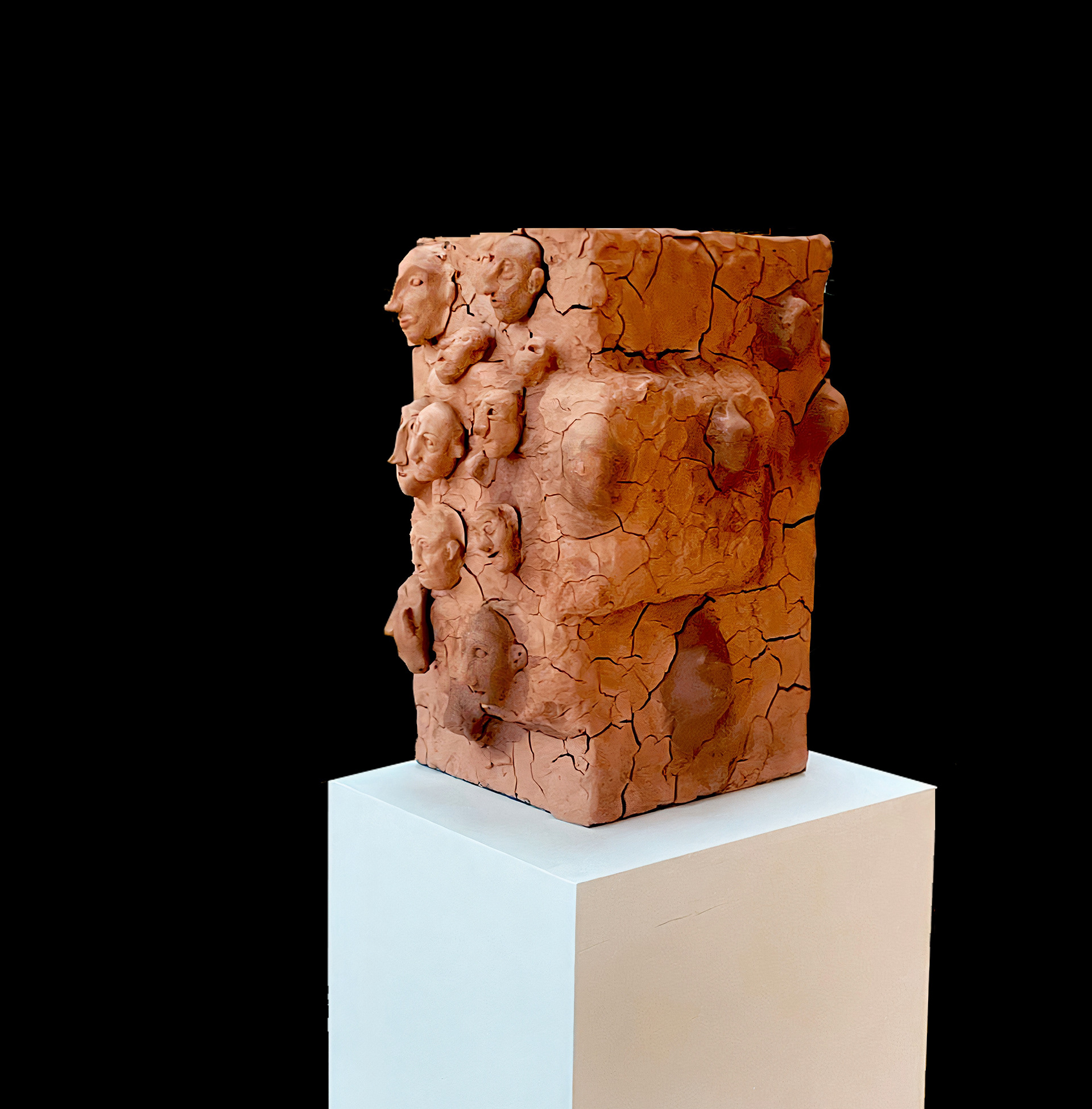
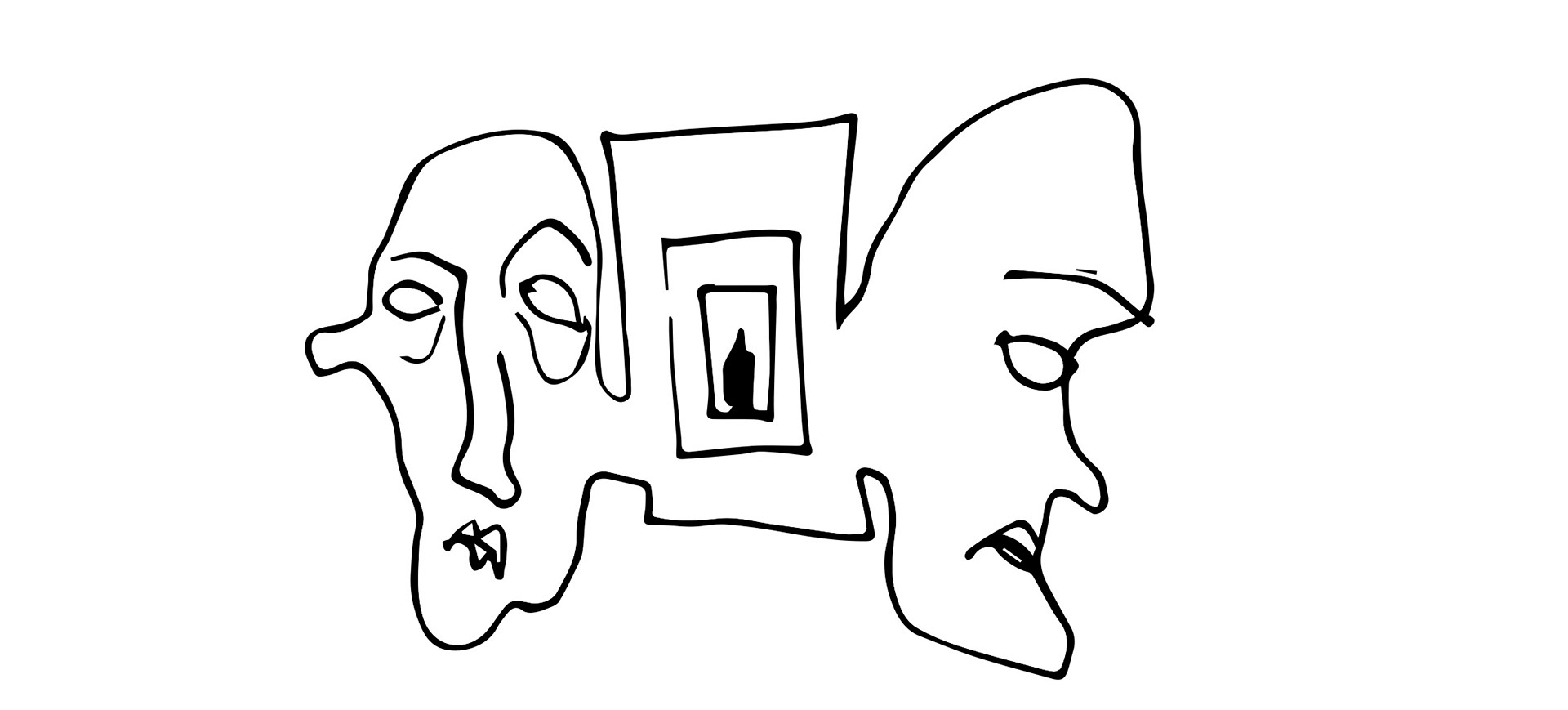
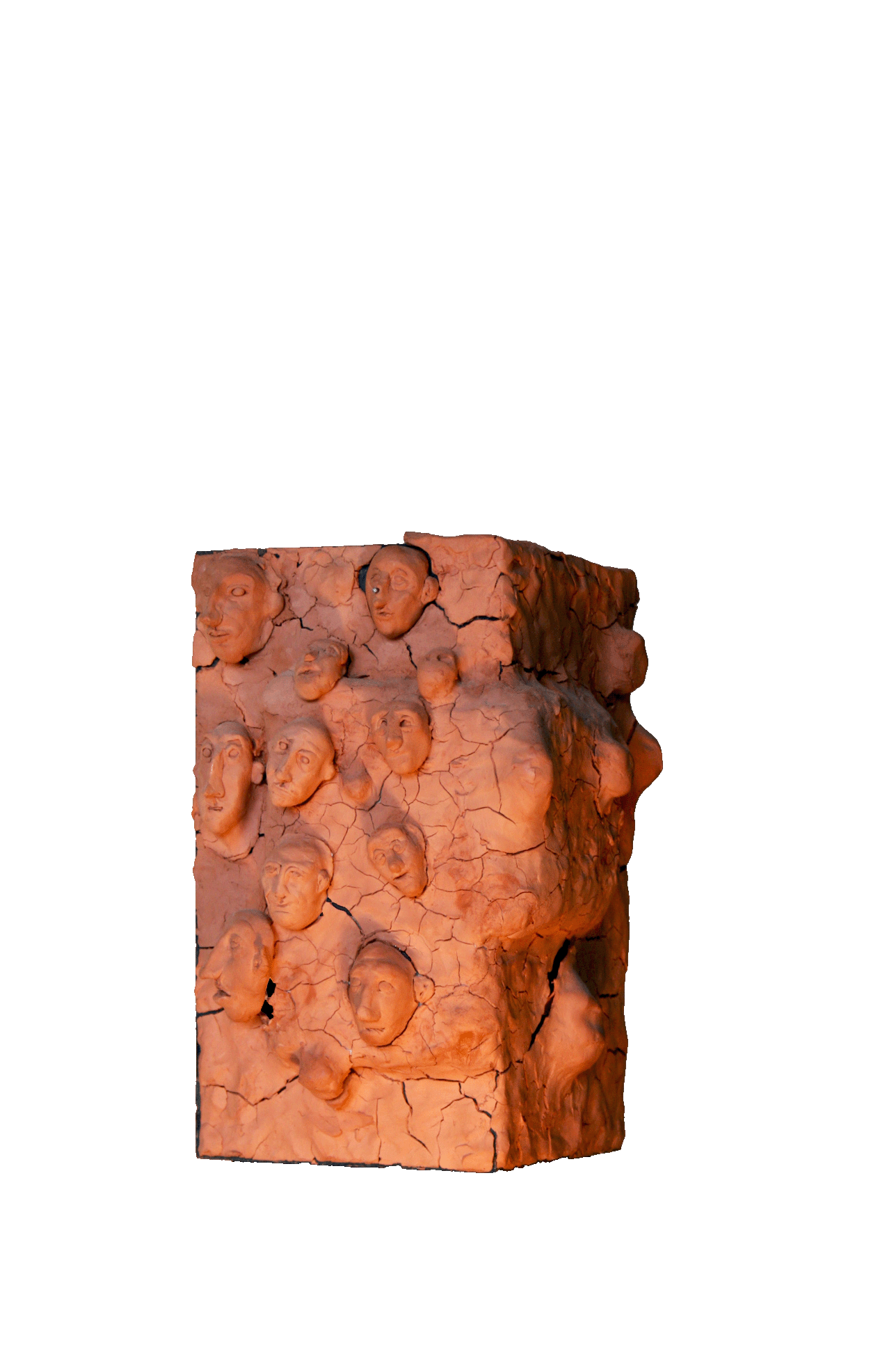
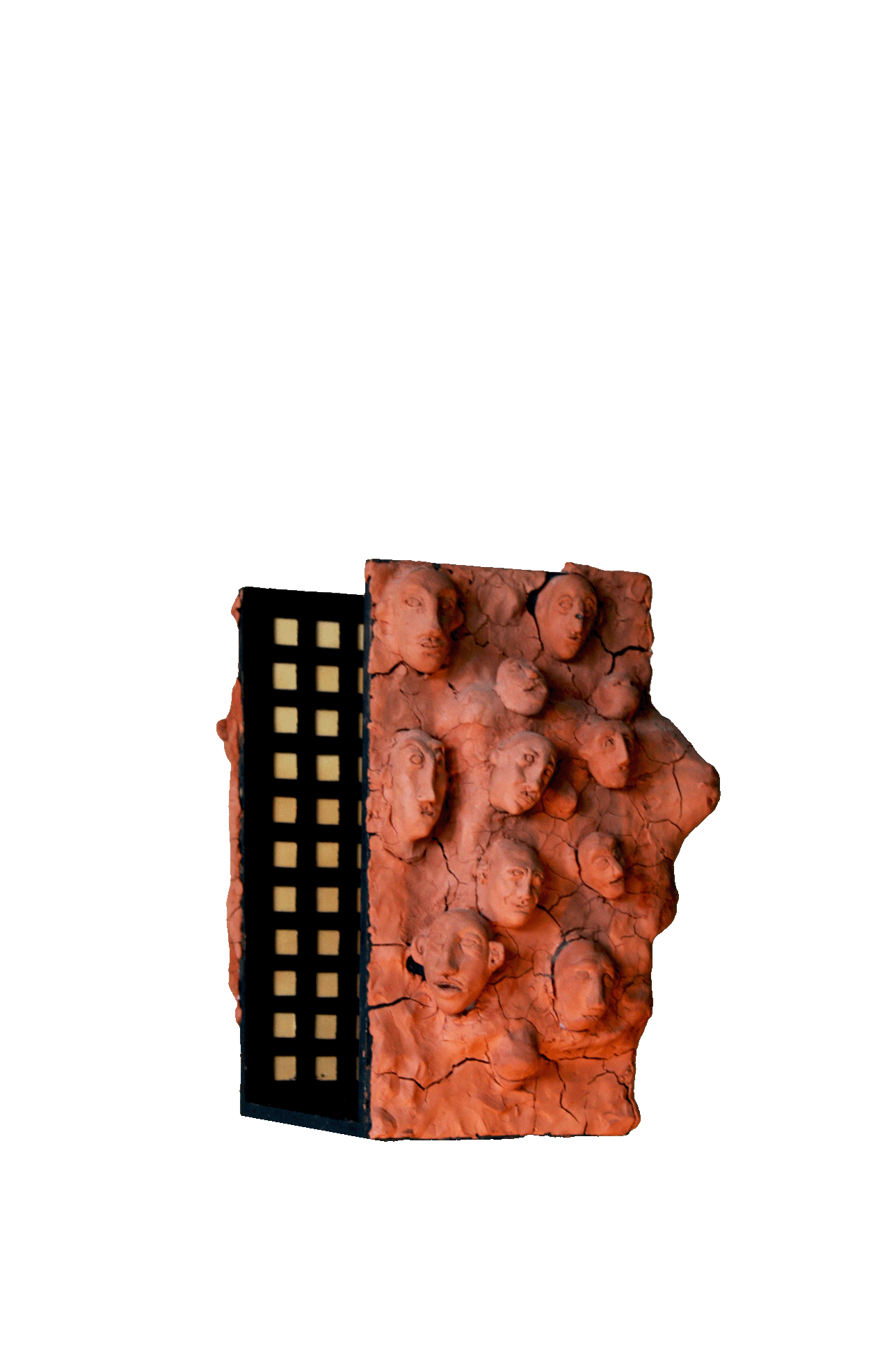
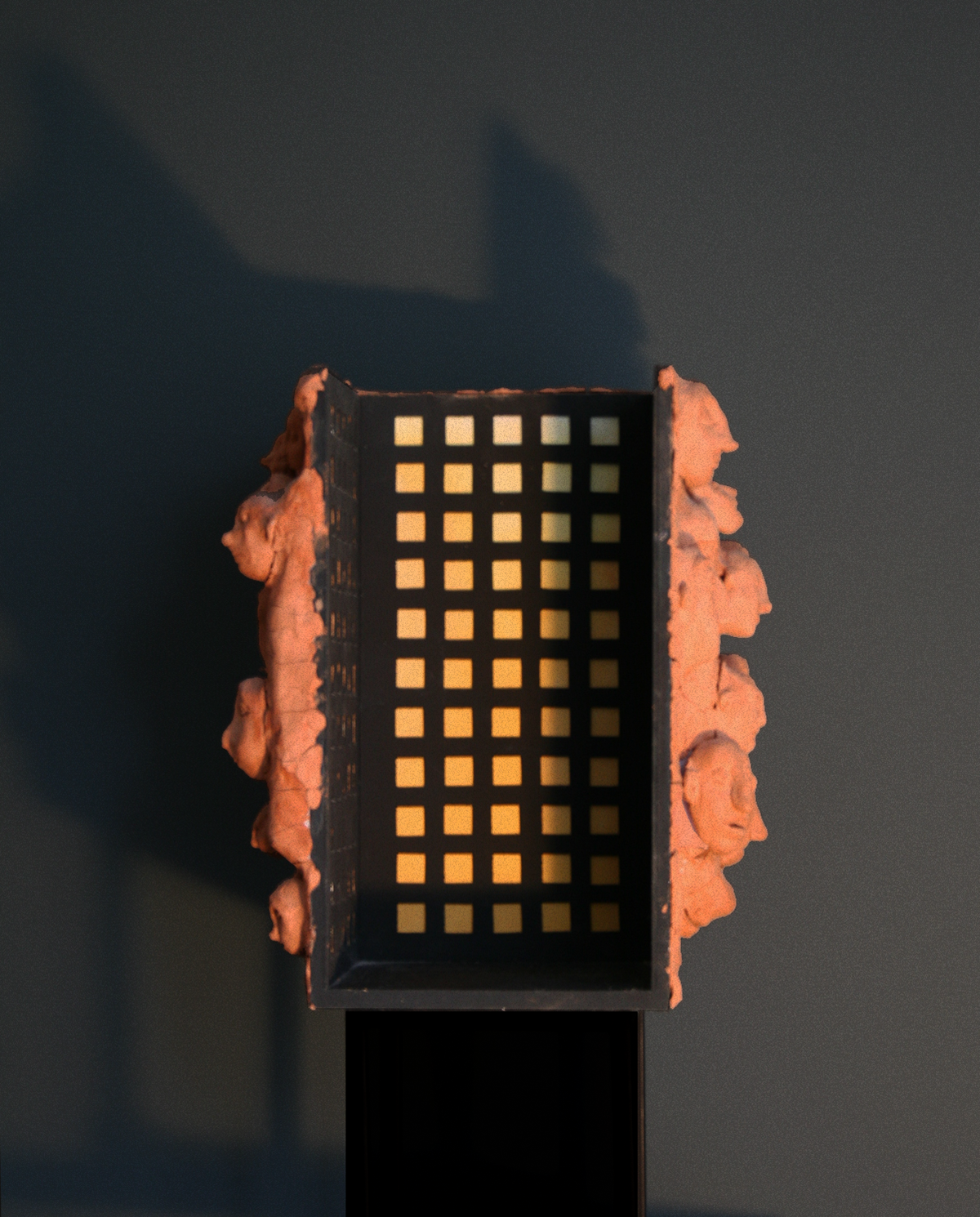
This sculpture is a final result, an “ode” to visually oriented architecture, a building turned inside-out, creating a place for an observer when they are surrounded by flat screens -the facade of the building, turned into a scenery, decoration. The sculpture captures the essence of the discomfort one feels in huge housing estates, the lost dimension of the human soul, and its weight. Only in the peripheral vision, does one notice that uncanny presence, the presence of everything human we deny.
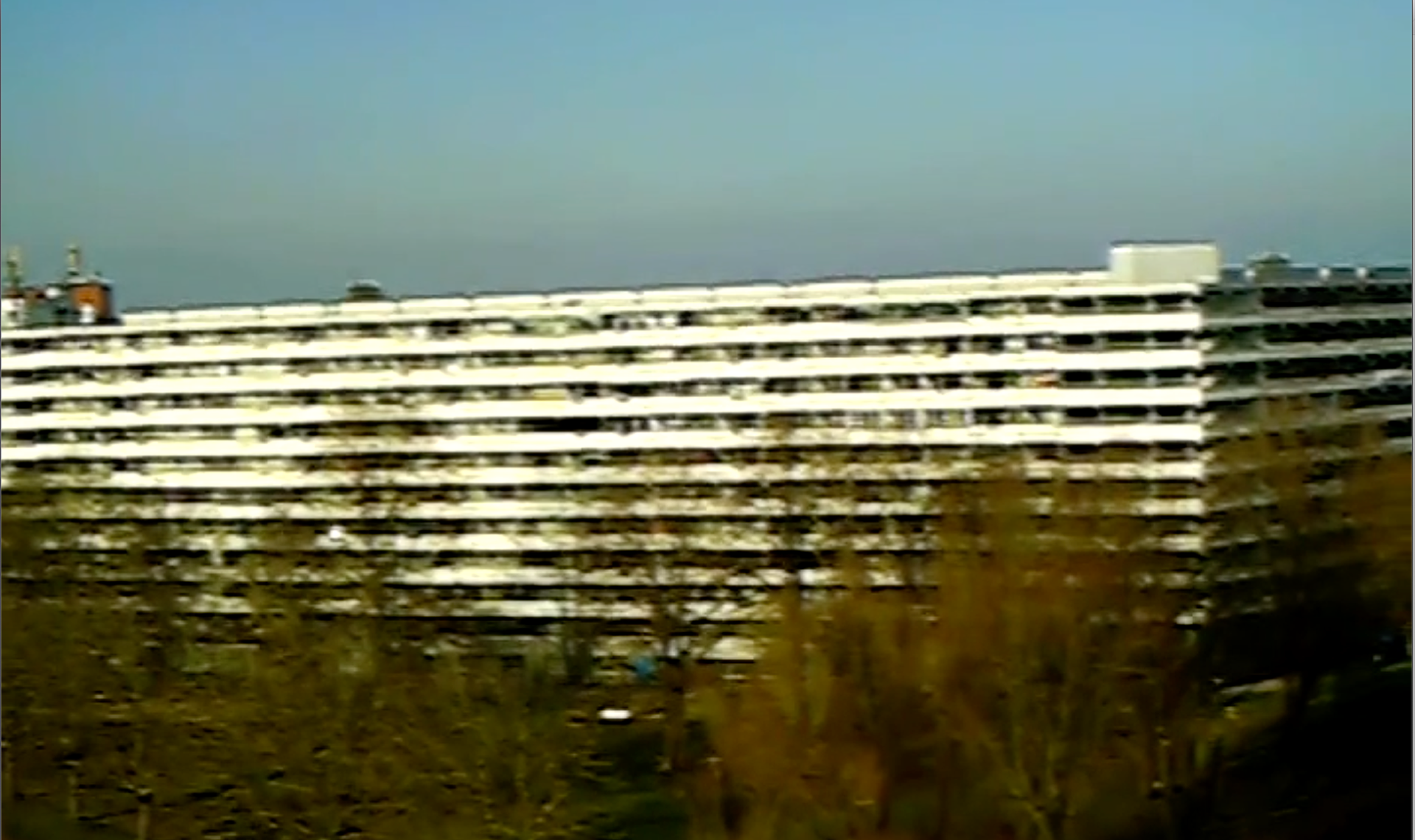
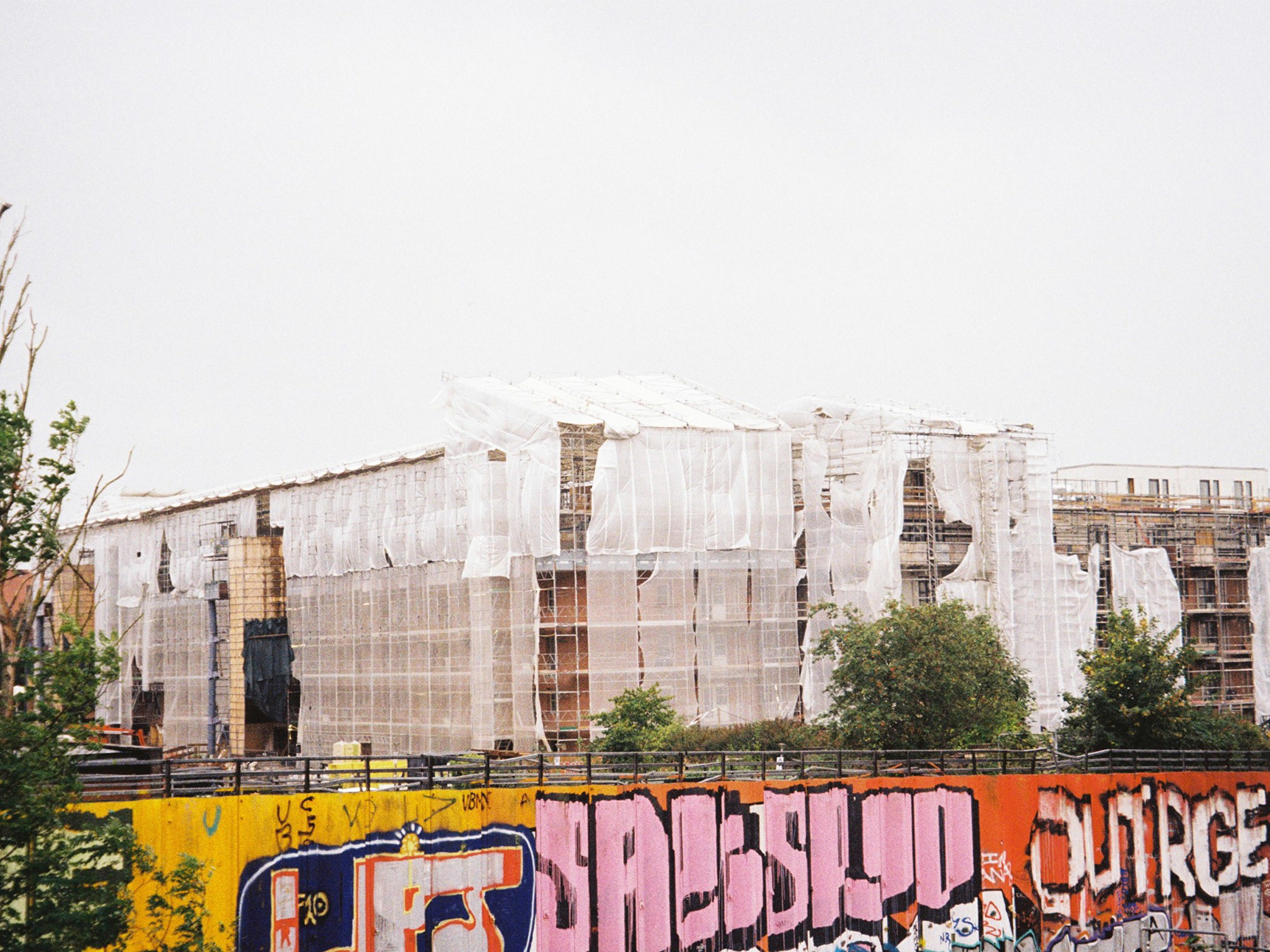
A video, filmed with an old digital camera, captures a fragmented impression of the Bijlmermeer neighborhood in Amsterdam, a case study and an example of an ocular-centric project.